×
New on the blog
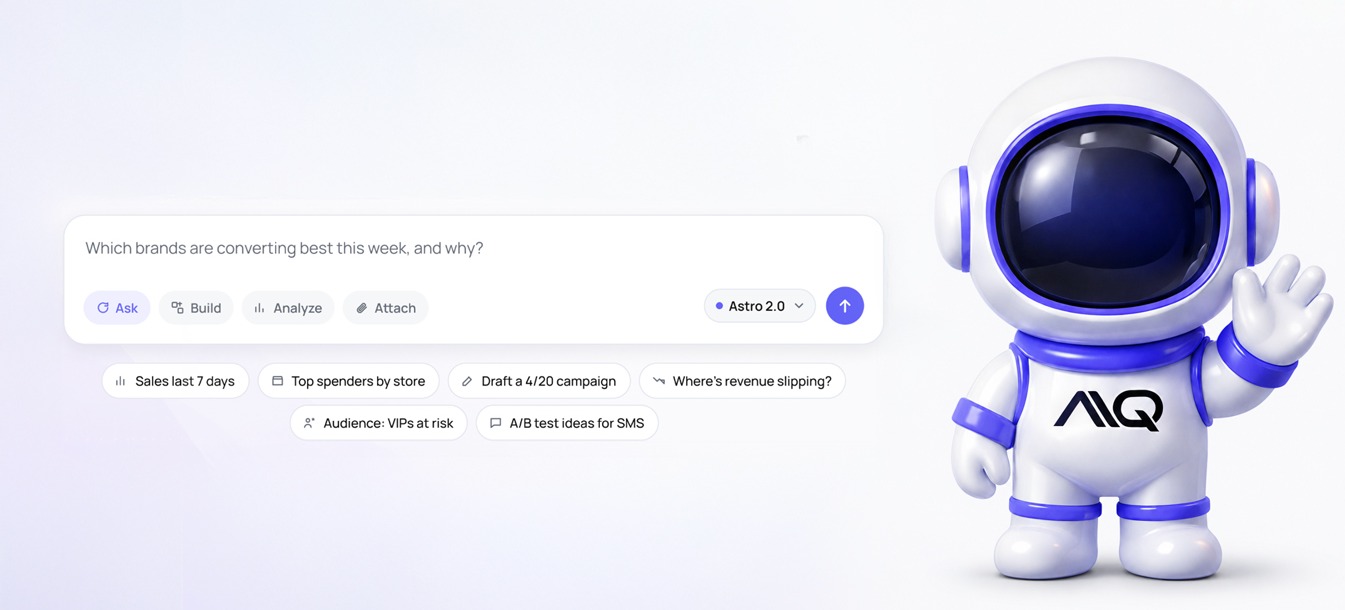
Meet Astro. The AI operating system for AIQ.
"Build me a 20% off campaign for lapsed customers." Astro can have it ready before you finish your coffee. You decide when it sends.
See what Astro can do →New on the blog
"Build me a 20% off campaign for lapsed customers." Astro can have it ready before you finish your coffee. You decide when it sends.
See what Astro can do →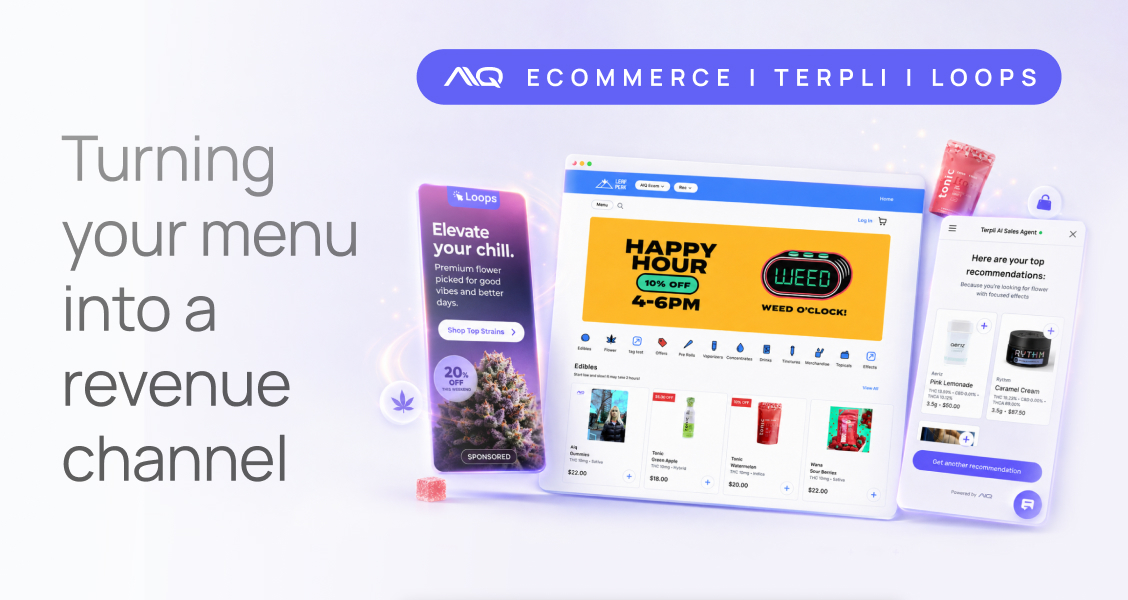
Most cannabis retailers think about their online menu as a place where products are listed. Inventory goes up, prices stay current, someone fixes the photos that did not load. It is infrastructure. A cost of doing business.
That framing quietly costs stores a lot of money.
Your menu is the only place where a shopper who is already interested in buying from you spends real time deciding what to buy. It is the highest intent moment you get outside of the counter itself, and for most stores it is also the least worked. The person who would have gotten a great recommendation from a budtender in-store gets a grid of product tiles and a scroll bar instead.
There are three layers that change what a menu does:
When your menu lives inside someone else's marketplace, you are renting an audience. The traffic belongs to the platform. The customer relationship is mediated. And the shopper who came looking for your store gets shown a lot of things that are not your store.
AIQ Ecommerce is a retailer-owned storefront. Your menu, your brand, your customer data, your loyalty program, your campaigns, all in one system. That matters for the obvious reason that you keep the relationship. It matters more for a reason that is less obvious: everything in the next two layers only works because the surface is yours to begin with.
You cannot put an AI sales agent on a menu you do not control. You cannot earn ad revenue on inventory you do not own. Ownership is not a philosophical point. It is the precondition for the rest.
Here is the problem with a product grid. Most shoppers do not arrive knowing what they want. They know a feeling, an occasion, a price ceiling, or a bad experience they are trying not to repeat. What they get is a wall of strain names and THC percentages, which is a language they may not speak.
So they scroll. Then they guess. Or they leave.
Terpli, AIQ's AI Sales Agent, is a virtual budtender that lives inside your existing site or app. It asks a shopper a few questions about effects, potency, and preference, then recommends products and guides them to checkout without a staff member involved. It runs at 2pm and it runs at 2am.
What makes it work is what it refuses to do. Terpli does not surface the priciest item or the highest number on the shelf. Recommendations are built from terpene, cannabinoid, and COA lab data alongside verified shopper reviews. Someone shopping for sleep gets something that actually helps them sleep.
That distinction shows up in the numbers, and it shows up over time rather than in the moment. In analysis across a set of dispensaries running Terpli:
*Stats represent Terpli and it’s analysis of their customers success. See case study.
Read those again and notice what they are measuring. Not conversion on a single visit. Lifetime value. The mechanism is not that a shopper bought more today. It is that the recommendation was right, so they came back.
There is a second thing happening here that gets less attention. Every one of those conversations produces data. Terpli reports on your conversion funnel with engagement and click-thru detail, puts your loyalty numbers side by side comparing regular shoppers against Terpli shoppers, captures zero-party preference information that shoppers volunteer about what they actually want, and surfaces product-level review feedback.
That loyalty comparison is worth sitting with. It is the closest thing most retailers have to a controlled read on whether a tool is earning its place. And the preference data is merchandising intelligence you cannot buy anywhere else, because it comes from your shoppers telling you directly.
Plenty of retailers turn Terpli on for conversion and end up using it to decide what to stock.
Now the part almost nobody is doing yet.
You have built an owned surface. You have made it good at converting. That means you now have something valuable that has nothing to do with what you sell: a stream of logged-in, opted-in, high-intent shoppers actively deciding what to buy.
Brands want to reach exactly those people. Loops is how they pay you for it.
Loops are short-form sponsored media placements that appear across retailer-owned surfaces, creating a monetization channel for the retailer. Brands fund the placements. Retailers earn revenue when brand placements are enabled. Loops can appear across:
That is your owned footprint, earning on traffic you were already paying to attract.
The control question comes up immediately and the answer is straightforward. Placement settings live in Settings, Data and Privacy. You can disable everything, disable specific placements, or blocklist specific brands entirely. Every Loop is reviewed by AIQ before it appears anywhere. And brand placement settings only govern third-party brands, so you can still run your own Loops on your own surfaces whenever you want.
Each layer makes the next one work better, and that is the actual argument.
Owning the storefront is what makes an AI sales agent possible. The sales agent makes the storefront convert better, which means more shoppers moving deeper into a logged-in experience. That deeper engagement is precisely what makes the surface worth something to a brand. And the revenue from those placements offsets the cost of running the stack.
Meanwhile the preference and review data flowing out of the sales agent tells you what to buy, which improves the assortment, which improves conversion again.
Most retail technology is a cost you justify. This is closer to a loop that funds itself.
If you are running AIQ Ecommerce already, you own the hard part. The storefront exists and the customer relationship is yours.
The next question worth asking is whether your menu is currently selling or just listing. If a shopper who does not know what they want lands on it right now, what happens? If the answer is that they scroll and guess, there is meaningful revenue sitting on the other side of fixing that.
And once the menu is genuinely working, the question after that is why a surface that valuable is not earning.
Want to talk through what this looks like for your stores? Reach out to your AIQ account team and we will walk your setup with you.