×
New on the blog
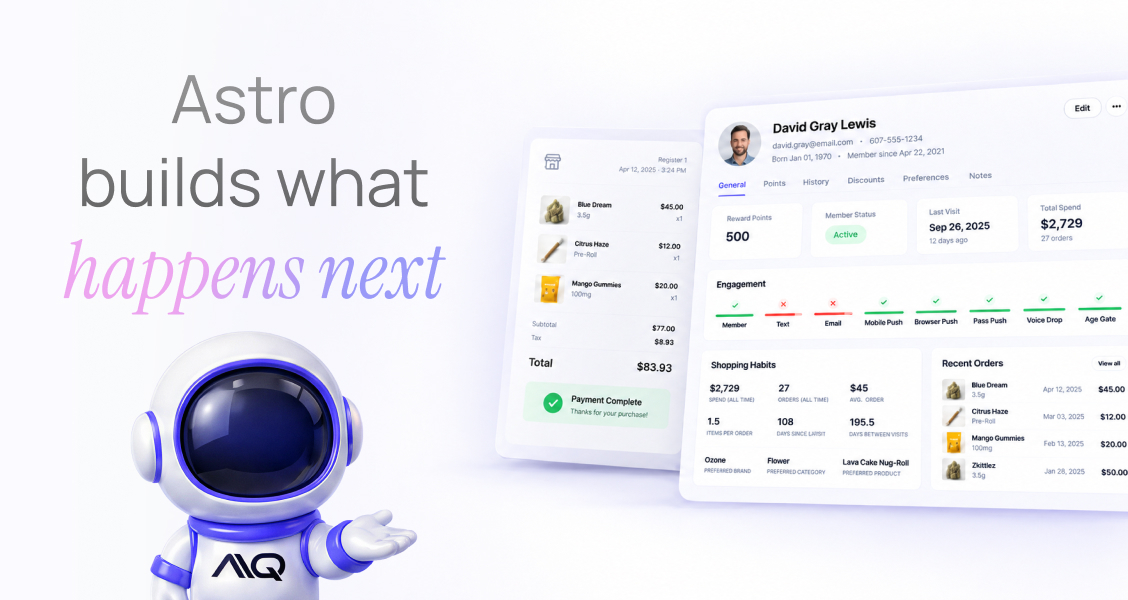
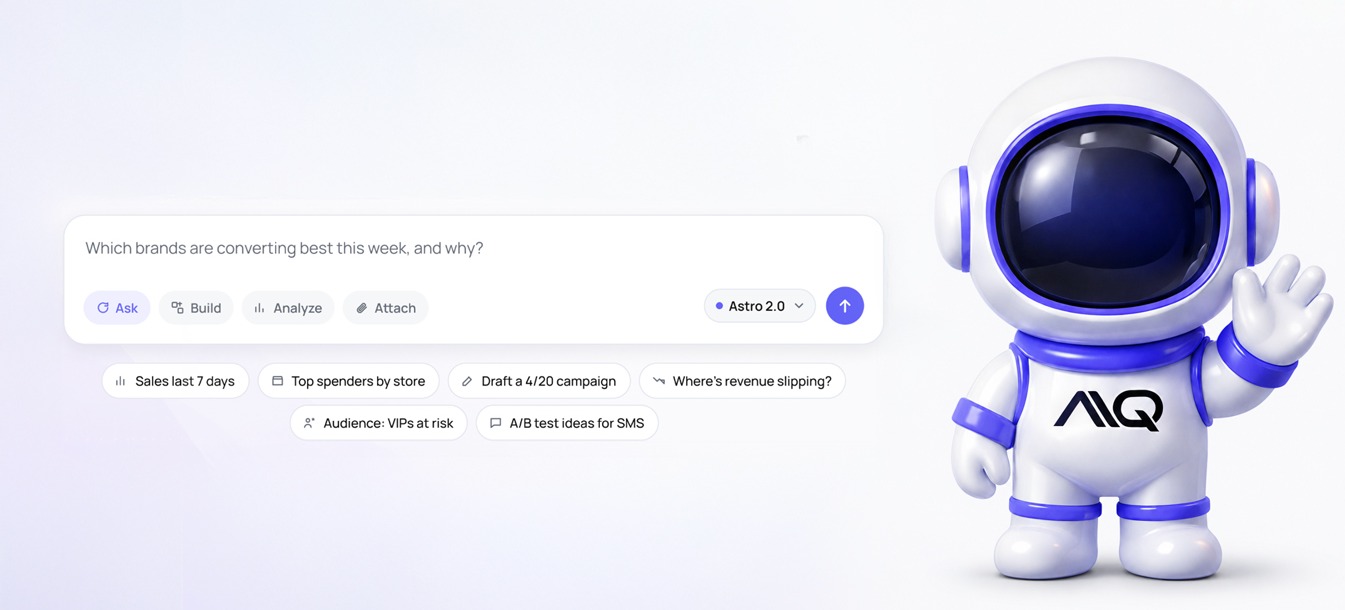
Meet Astro. The AI operating system for AIQ.
"Build me a 20% off campaign for lapsed customers." Astro can have it ready before you finish your coffee. You decide when it sends.
See what Astro can do →New on the blog
"Build me a 20% off campaign for lapsed customers." Astro can have it ready before you finish your coffee. You decide when it sends.
See what Astro can do →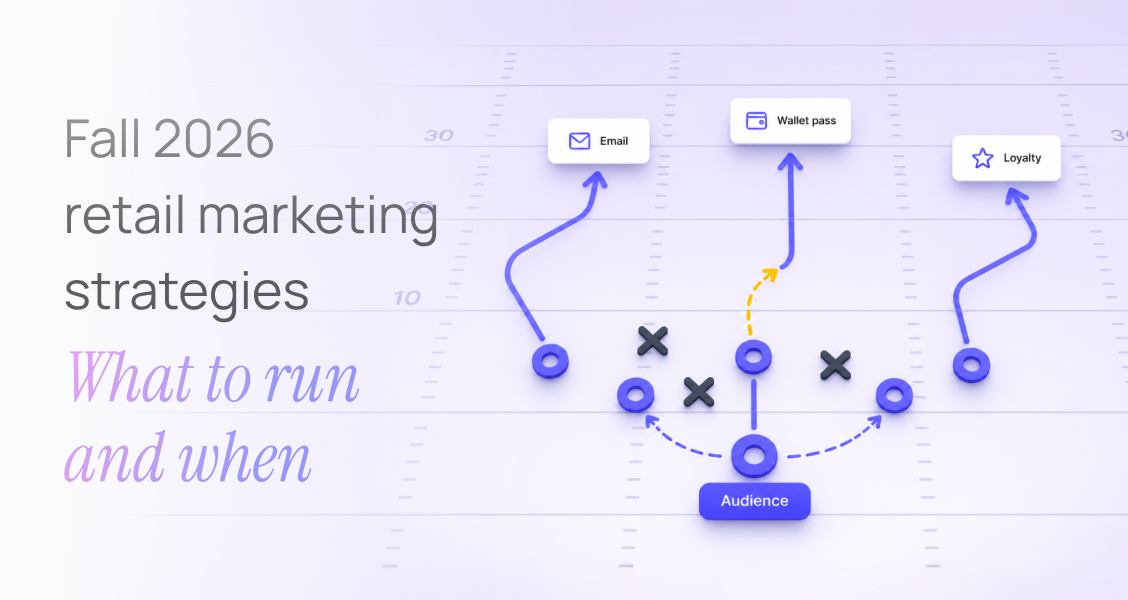
Fall is the densest stretch of the retail year. Between the October harvest and New Year's Eve, cannabis retailers move through six distinct demand events, each with its own customer behavior, its own inventory pressure, and its own margin risk. Most stores treat them as one long promotional season and run roughly the same offer at each stop.
That approach worked better a few years ago, when margins had more room in them. Retail gross margins have compressed from 52.6% in 2021 to 42.7% in 2025, and the industry's average discount has climbed from 22.8% to 26.0% of shelf value year over year. Traffic on the big fall dates is close to guaranteed. Profit on that traffic is what's actually at stake.
There's a second constraint shaping the season. Meta and Google still prohibit cannabis advertising, so there is no paid acquisition lever to pull when a Q4 week comes in soft. Whatever reach you have in November is the reach you built beforehand: your list, your loyalty base, your menu, your wallet passes. Fall is a list-building season that happens to include some very large sales days.
What follows is the fall calendar broken into its actual moments, with the play and the mechanic that fits each one.
What's happening. The outdoor harvest hits the market and wholesale flower prices drop. Cannabis Benchmarks put bulk indoor flower around $1,200 per pound in October 2025, with outdoor averaging $300 to $500. The national spot price bottomed at a record $888 per pound in January 2025 before recovering to $1,081 by May 2026.
The reflex. Cheap flower invites a price war. Every store on the block runs the same ounce deal, customers learn to wait for it, and nobody's margin survives October intact.
The AIQ move. Move Croptober volume without touching shelf price. Two ways to do that:
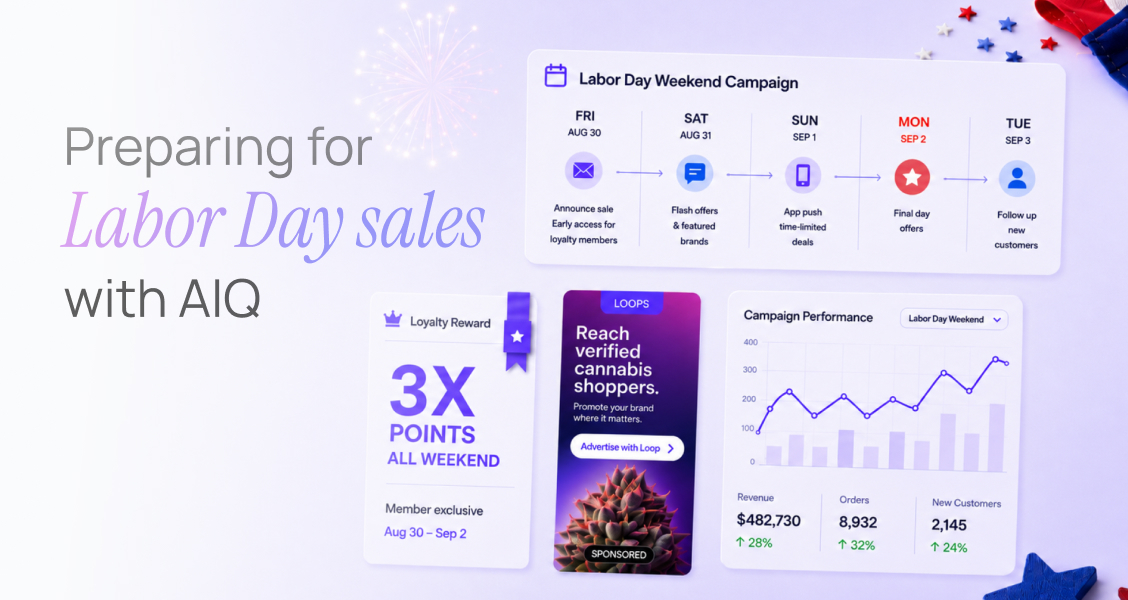
Point multipliers on flower let you discount in currency the customer has to come back to spend. A 3x points weekend on flower reads as a deal at the register and costs you a future visit's worth of liability instead of today's margin.
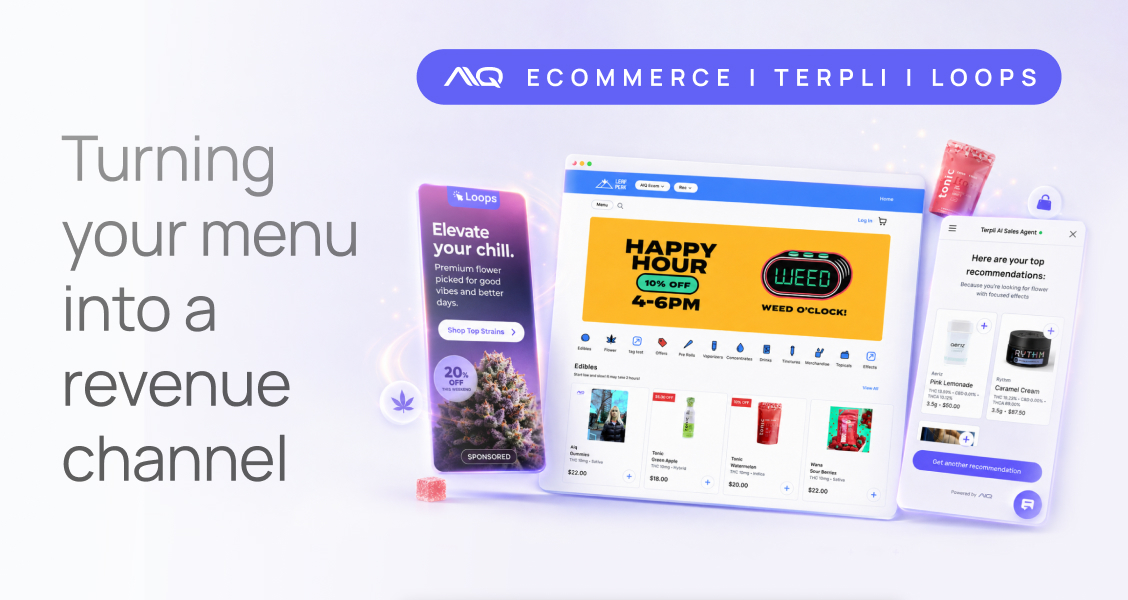
Brand-funded placement covers the promotion cost outright. Loops puts brand dollars inside your own menu, loyalty dashboard, and ecommerce pages, and the destination URLs send the click back to your own menu rather than leaking it to a third-party site. The brand pays for the visibility, the traffic stays on your store, and you keep the sale.
Set up now for November. October is when your list should grow fastest. Signup prompts at the register, wallet pass distribution on every receipt, and a low-friction loyalty enrollment on the menu all compound into reach you'll need on the 25th of November.
A modest traffic bump with a clear category tilt toward edibles and gummies. Halloween reliably outperforms an average October day without approaching the volume of 4/20 or Green Wednesday. The mistake is meeting a narrow lift with a wide discount. If the demand is concentrated in edibles, a 20% off everything banner gives away margin on flower and concentrate sales that were going to happen anyway.
Keep the offer inside the category that's actually moving and let product discovery do the merchandising. The AI Sales Agent handles effect-based questions on your site and in store, which is how most edible shoppers arrive. They know how they want to feel, not which SKU delivers it. Pair a themed edibles offer with recommendation-driven browsing, let the rest of the menu sell at full price, and gate the discount behind loyalty enrollment if you want the day to pay for itself twice.
Standing veteran discounts run 10% to 20% at most stores, with some chains going deeper on the day itself. This is a community moment rather than a volume peak, and the sales data reflects that, which is the argument for making the day build something that outlasts it. The usual version ends with the customer taking a meaningful discount, walking out, and no way to reach them next November.
Treat verification as a segmentation event instead. When a customer confirms veteran status, tag it in Persona CRM, deliver the offer as a wallet pass, and enroll them in a segment you'll use year round. The pass sits on the phone and can be updated with new offers without asking for another opt-in, which makes it the most durable thing you can hand someone on a low-margin day.
What's happening. This is the anchor of the fall season. Headset put Green Wednesday 2025 at $113.5 million, roughly 1.7 times an average day, and Black Friday at $107.5 million, about 1.6 times. Both cleared $100 million. Dutchie's data across 6,500 dispensaries showed average sales up 91% versus a typical Wednesday, with baskets rising 9% to $70.80.
Headset also flagged the pattern that matters operationally: with the exception of 4/20, the year's biggest sales days are all the day before a holiday. Their advice, in Headset's words: "Staff and stock for the eve, not the event."
The reflex. Discount depth escalates through the week and takes the margin with it. Headset has measured average discounts around 19.8% on Green Wednesday, 22.2% on Thanksgiving, and 23.7% on Black Friday. A single storewide percentage applied across all five days is the most expensive way to run this window.
The AIQ move. Sequence the offer instead of broadcasting it. This is where Astro Prompt and AIQ Flows does the heaviest lifting of the season.
Build one journey that covers the full weekend and let behavior decide who gets what:
Flow analytics will show you where people dropped and what the sequence returned, which is the input for how you build it next year.
On reach. SMS still carries the highest engagement of anything you own, but cannabis traffic gets filtered under SHAFT rules and carrier scrutiny tightens during high-volume weeks. Registered 10DLC traffic and a journey that fails over to other channels are what keep the message landing on the one week you can't afford a delivery problem. Astro's Voice AI runs on separate rails from SMS entirely, so a customer can check a points balance or get signed up for loyalty by phone in the same week carriers are throttling your texts.
Demand shifts toward online ordering and pickup, and in-store lines back up. Black Friday's basket carries more items but lower value than Green Wednesday's, because discounts run deeper and average item price runs lower.
Independents have a real story on Small Business Saturday, and it costs nothing to tell. Run a local-first offer through wallet and email, and put your own promotional creative in your ecommerce home and category placements through Loops self-serve targeting.
For Cyber Monday, the highest-return thing you can run is abandoned cart recovery, assuming your ecommerce platform passes cart events to AIQ and with the caveat that how much detail comes through varies by platform. Weekend browsers who didn't check out are the warmest list you'll have all quarter, and a Flows journey triggered on cart abandonment reaches them while the intent is still there. If your platform doesn't send that data, the closest substitute is clicked-but-didn't-buy from the weekend sends, which gets you a similar intent signal out of message engagement instead.
What's happening. Gifting and self-care demand run through the month, with December 23 routinely landing among the year's top sales days. Headset has measured US sales up 17% in the week before Christmas, with topicals seeing the largest boost, followed by beverages and edibles. Delivery volume spikes hard in the final days of the year.
The reflex. Treating December like any other high-traffic month and letting the menu do the selling. Gift shoppers are the least confident buyers you'll serve all year, many of them aren't cannabis consumers themselves, and an unguided menu is a wall of unfamiliar SKUs.
The AIQ move. Make discovery the product. The AI Sales Agent is built for exactly the question a gift buyer asks, which is some version of "something relaxing, under $50." Effect-based recommendations pulled from lab results and product reviews convert that question into a cart without a budtender having to walk every customer through it.
Run point multipliers in the December 20 to 24 window and again ahead of New Year's Eve, when traffic is already there and you don't need a price cut to earn it.
Then plan for January. The post-holiday drop is predictable, which means it's addressable. Build the win-back journey in December while the buyer data is fresh, and set it to trigger on lapse rather than on a date. Astro Prompt can draft that audience and the win-back flow from a plain-English request, so it doesn't have to wait for a spot on a marketer's calendar in December.
Across the AIQ network, loyalty members generate 3.6x the lifetime value of non-members and purchase 11% more often. They account for 56% of total revenue for our retailers, and messaging to them returns $2.44 in revenue per text sent over a 60-day window.
That gap is the argument for running fall as a retention season. Acquiring a new cannabis customer costs multiples of keeping an existing one, and Headset's retention research finds that two in three cannabis customers never come back after a first visit. The fall calendar puts more first-time buyers in your store than any other stretch of the year outside 4/20. What you do with them in the 30 days after determines whether November was a revenue spike or a growth quarter.
Capture the fall surge through channels you own, and protect margin with targeting rather than depth. Build the list in October, sequence the offer across Thanksgiving week, let product discovery carry December, and set the win-back before the January drop arrives.
We turned this calendar into a five-page working checklist your team can print and mark up: 10 plays to run before the register gets busy, with the run sheet broken out by October, early November, Thanksgiving week, and December.
[Download the Fall 2026 Field Guide →]
Want help building your fall journeys? Your AIQ team can walk through the sequence with you.