×
New on the blog
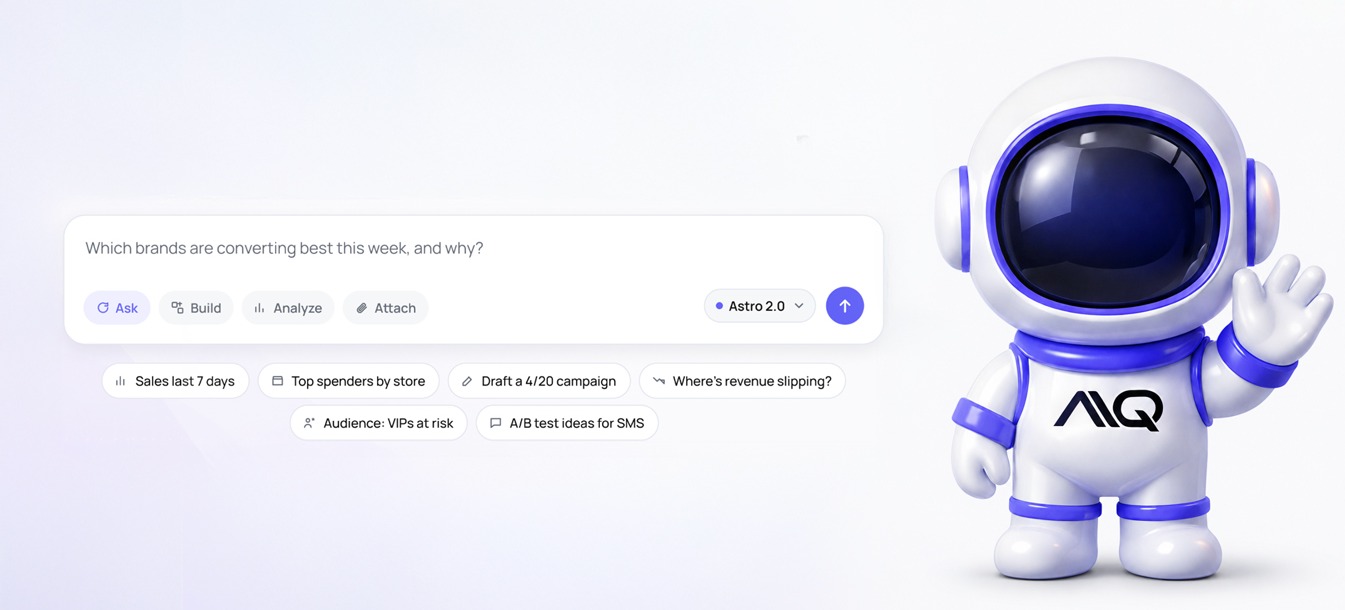
Meet Astro. The AI operating system for AIQ.
"Build me a 20% off campaign for lapsed customers." Astro can have it ready before you finish your coffee. You decide when it sends.
See what Astro can do →New on the blog
"Build me a 20% off campaign for lapsed customers." Astro can have it ready before you finish your coffee. You decide when it sends.
See what Astro can do →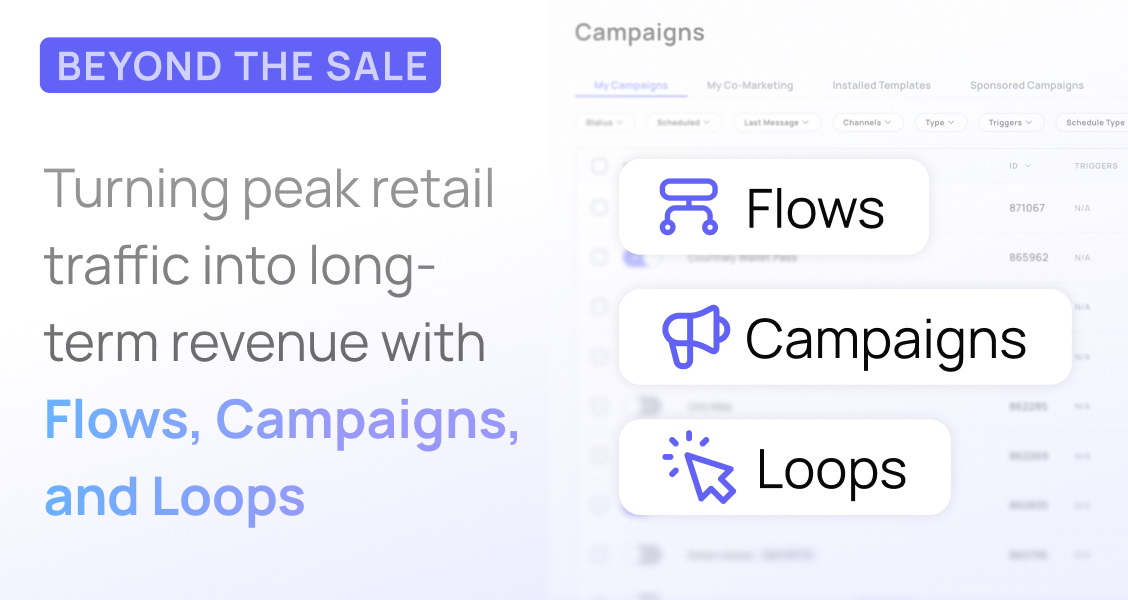
4/20 delivers one of the largest spikes in traffic, transactions, and first-time shoppers you’ll see all year. But the retailers who win aren’t the ones who simply maximize that weekend. They’re the ones who systematically convert that surge into repeat revenue.
The difference comes down to what happens next.
This guide breaks down the essential Flows and Campaigns you should deploy immediately after 4/20 to retain new customers, increase lifetime value, and prevent that all-too-common post-holiday drop-off.
A strong 4/20 can be misleading.
Revenue spikes often include:
Without a structured follow-up strategy, a large percentage of those new customers disappear within weeks.
The opportunity is simple: you already paid the cost to acquire them. Now you need to keep them.
Before launching any Flows or Campaigns, segment your 4/20 audience into actionable groups:
Every flow below becomes significantly more effective when tailored to these segments.
Goal: convert first-time buyers into repeat customers within 7–14 days.
This is your highest-impact flow.
Most retailers send a single “thanks for coming in” message. That’s not enough.
Recommended structure:
Message 1 (1–2 days after purchase)
Message 2 (3–5 days after purchase)
Message 3 (7–10 days after purchase)
Why it works: you’re capturing intent while the experience is still fresh, guiding them into a second visit before they drift.
Goal: drive a second purchase quickly and intentionally.
This should run in parallel with your welcome flow but be more incentive-driven.
Key components:
Examples:
Optimization tip: tie the offer to their actual purchase behavior, not a blanket promotion.
Goal: expand basket size and introduce product discovery.
Use purchase data to build category-specific journeys.
Examples:
Structure:
Why it works: you’re not just bringing them back, you’re increasing their value.
Goal: catch drop-off before it happens.
Many new customers will not return within 2–3 weeks unless prompted.
Trigger: no purchase within 14–21 days after 4/20
Messaging approach:
This is one of the most overlooked Flows and one of the most effective.
Goal: turn one-time shoppers into members.
If a 4/20 shopper didn’t fully engage with your loyalty program, you’re leaving retention on the table.
Trigger:
Messaging should include:
Why it matters: Loyalty is your retention engine. This flow fuels it.
Timing: within 3–5 days after 4/20.
This is your first broad communication after the event.
Focus:
Think of this as resetting the tone.
Timing: 2–3 weeks post-4/20.
Instead of one large blast, break this into targeted Campaigns:
Key principle: relevance beats reach every time.
Use your analytics to identify:
Then build Campaigns that:
This ties your marketing directly to revenue performance.
Flows and Campaigns are how you follow up. Loops are how you stay visible before the next purchase even happens.
If Flows are your retention engine, Loops are your always-on demand capture layer.
After 4/20, shoppers don’t disappear. They continue browsing menus, opening retailer emails, and exploring products across digital touchpoints. The question is whether your brand is showing up when they do.
Loops place your products and promotions directly inside high-intent environments like:
This keeps your brand in front of customers while they are actively deciding what to buy.
Customer behavior changes quickly after a major event:
Loops solve for this by:
Unlike traditional ads that pull users away, Loops keep shoppers inside the retailer environment.
That means:
You’re not interrupting the experience. You’re enhancing it at the exact moment decisions are made.
This is where strategy turns into a system.
Instead of isolated sends, you create a continuous customer journey.
Example journey:
You’re no longer relying on a single touchpoint. You’re guiding the customer across a connected experience.
To understand performance, focus on:
This isn’t just about engagement. It’s about measurable revenue growth tied to retention.
4/20 is not the finish line. It’s the starting point. The retailers who consistently outperform don’t just capitalize on the surge. They build systems that turn that surge into sustained growth.
Flows convert. Campaigns scale. Loops keep you visible in between. When all three are working together, you don’t just recover from the post-4/20 lull.